

Exterior Paint Peeling? 7 Early Warning Signs North Florida Homeowners Shouldn’t Ignore
Category: Home Tips
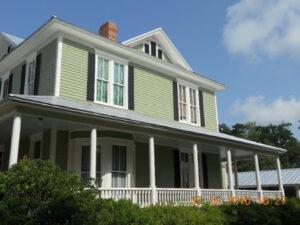
If you’re seeing exterior paint peeling on your North Florida home, that finish is no longer protecting your siding. Our humid summers, sudden downpours, and strong sun speed up paint failure, which is why catching problems early and planning professional exterior painting matters. For a thorough assessment and a durable repaint, explore our exterior painting services and protect your biggest investment with help from JB & Sons Painting, Inc..
Below are the early warning signs to watch for around Madison, Live Oak, Monticello, Tallahassee, and nearby communities. If you spot even one, it’s time to bring in a pro before moisture sneaks in and creates bigger repairs.
What Causes Exterior Paint To Fail In Humid North Florida
North Florida’s climate is tough on paint. High humidity slows curing, pop-up storms drive moisture behind coatings, and strong UV breaks down color and binders. Add older layers, aged caulk, or surfaces that weren’t fully sealed years ago, and you have a recipe for peeling or blistering that spreads faster than you expect.
Homes near tree cover in neighborhoods like Killearn, Midway, or along shady creeks often trap moisture on north-facing walls. Salt-laden breezes closer to the coast or wide temperature swings inland can stress paint films too. That is why a local plan tailored to your home’s exposure, materials, and past coatings is so important.
In North Florida, aim to schedule exterior work during a stable, drier window to help coatings cure well. Planning ahead also helps you repaint before late-summer storms, which often reveal the worst peeling and hidden moisture.
The 7 Early Warning Signs You Shouldn’t Ignore
- peeling and flaking edges, especially on lower siding and trim
- blistering or bubbles that rise and pop after rain or hot sun
- hairline cracking or “alligator” patterns across boards
- chalky residue that wipes off on your hand
- mildew or algae streaks returning quickly after cleaning
- fading or patchy color where sun hits hardest
- open seams or failed caulk, plus soft or exposed wood
1) Peeling And Flaking Along Edges
Look where horizontal boards meet trim, near window sills, and at bottom rows close to sprinklers. When edges curl and flake, water can wick behind the coating. Left alone, that damage spreads into seams and trim joints. **Do not ignore active peeling** because it often signals that underlying layers are lifting too.
2) Blistering Or Bubbles After Heat Or Rain
Round, hollow blisters usually mean trapped moisture trying to escape. In our climate, shaded walls may stay wet longer while sun-baked walls can skin over too quickly. Either way, bubbles that appear after a storm or a hot afternoon mean the film isn’t bonded. A professional inspection can identify whether the source is exterior moisture or vapor pushing out from inside the wall.
3) Hairline Cracking And “Alligatoring”
Fine cracks or a reptile-skin pattern show that older coatings have turned brittle. As temperatures swing from cool mornings to hot afternoons, rigid paint can’t flex and begins to fracture. If you see cracking on fascia or older trim, the next step is usually flaking. **Catching this stage early prevents larger substrate repairs**.
4) Chalky Residue On Your Hand
Rub the wall and check for a powdery film. That chalk is pigment and binder breaking down from UV exposure. Chalking reduces adhesion for any new coating and often appears first on sunniest elevations. In North Florida backyards, south and west walls usually show this first, along with fences and detached garages.
5) Mildew Or Algae That Comes Right Back
Persistent dark streaks on shaded sides or beneath soffits can point to coatings that no longer resist growth. Our warm, damp air feeds organic staining. If discoloration returns quickly after cleaning, the finish likely lost its protective qualities. **Recurring growth is a sign that the paint film is failing**, not just dirty.
6) Fading Or Patchy Color
Strong sun drains color on doors, shutters, and upper stories. When you notice light patches or uneven sheen, the binder has started to break down. Beyond appearance, that also means reduced weather resistance. Many North Florida homes show this where wide porches meet bright sun in the afternoon.
7) Open Seams, Failed Caulk, Or Exposed Wood
Cracked or missing caulk around windows and trim lets water enter end grain and joints. Gaps at siding laps or nail holes without sealant invite rot. If you can see raw wood or feel softness at sills or corner boards, water has already gotten in. At this point, repainting should include sealing and minor repairs along with the coating system.
When To Repaint An Exterior House In North Florida
Timing depends on your siding type, the products used last time, sunlight exposure, and maintenance history. In humid regions like ours, repaint cycles can be shorter on sunny or weather-facing sides. Watch the seven signs above and schedule a professional evaluation when you see the first few appear together.
Season also matters. Spring and late fall often offer steadier conditions for surface prep and curing in our area. Homeowners across Madison County and the Tallahassee-Thomasville-Valdosta corridor find these windows help coatings bond and last. If you’re weighing your options, read this quick post on seasonal advantages: 3 reasons to paint your home’s exterior this summer.
Moisture control is key. Pairing the repaint with targeted sealing can help stop future failures. If your home shows repeated algae streaks, exposed end grain, or damp trim, ask about integrating waterproofing as part of the project plan so the new finish stays sound longer.
How JB & Sons Painting, Inc. Plans A Lasting Repaint
Every home is different, so our team begins with a careful walkaround. We look for moisture pathways, failing caulk, past coating layers, and areas that get hammered by sun or storms. Then we match a system built for North Florida’s humidity and your home’s specific substrate.
- evaluation of trouble spots like lower courses, trim ends, and shaded north-facing walls
- product pairing for humid climates, including primers that bond to weathered surfaces
- focused repairs to stabilize edges, seams, and joints before topcoats go on
If your goal is curb appeal plus strong protection, our exterior painting services put the focus on adhesion, sealing, and a smooth, uniform finish that stands up to local weather. For dependable results from a trusted local crew, start with exterior painting from JB & Sons Painting, Inc. and we’ll tailor the plan to your home’s exposure and needs.
Local Pointers For North Florida Homes
A few patterns we see again and again in the region:
Shaded walls can be riskier than sunny ones. They hold moisture longer after storms, so tiny failures spread faster. Keep an eye on walls that sit behind trees or face toward wooded lots.
Trim and doors that face west or south fade and chalk faster. Porch ceilings, soffits, and window sills collect humidity and can show early mildew or peeling even when siding looks fine. If small blemishes reappear within weeks of cleaning, the coating has likely lost its grip.
Homes near lakes, rivers, or low-lying lots often need extra attention at the bottom few boards, kick-out flashings, and around hose bibs. Catching soft wood or open seams early limits repairs and helps your next repaint last.
What To Do If You See Multiple Signs
Seeing peeling plus chalking or failing caulk together usually means the finish is at the end of its life. A professional North Florida repaint will bundle prep, sealing, and the right system for humidity so you don’t fight the same issues next season. If your home sits in a shaded, damp microclimate or gets strong afternoon sun, we’ll adapt the plan so the coating can flex, breathe, and shed water.
Ready To Stop Peeling And Protect Your Home?
Let a local pro handle it. Call 850-929-9925 to schedule a friendly walkthrough with JB & Sons Painting, Inc.. We’ll pinpoint the cause, map a weather-smart plan, and restore a finish that looks great and shields your home from North Florida’s humidity. When you’re ready to get started, visit our exterior painting services page and we’ll take it from there.