

Why Summer Heat Accelerates Exterior Paint Peeling on Tallahassee Homes
Category: Home Tips
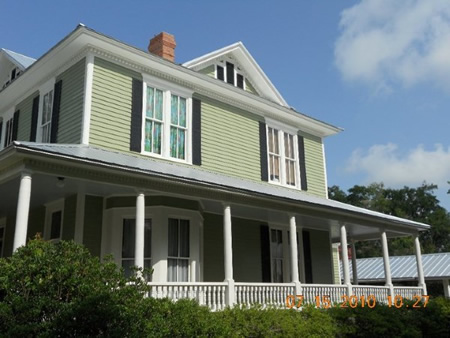
North Florida summers bring heat, humidity, and powerful UV that work together to break down paint films. If you see blistering, flaking, or chalking on siding or brick, the cause is often the same trio: intense sun, thermal expansion, and trapped moisture. When your home needs professional exterior painting, it pays to understand why the problem shows up fastest in Tallahassee’s climate.
What Summer Heat Does to Exterior Paint in Tallahassee
On a July afternoon, your siding can be much hotter than the air. Wood, brick, and fiber cement can reach temperatures that stretch and flex the paint film. That repeated movement forms micro-cracks. UV rays then attack the exposed resin, and wind-driven rain pushes moisture through the tiny openings.
Latex paints are flexible, but constant expansion and contraction can break the bond to the substrate. Moisture that tries to escape will push against the softened film, creating blisters. After a storm, those bubbles cool and collapse into peels or sheets. **Surface temperature, not just air temperature, decides when paint will stick.**
Why Wood Siding And Historic Brick React Differently
Wood swells as it takes on moisture and shrinks as it dries. In older neighborhoods like Los Robles or parts of Betton Hills, original wood siding often shows wider paint cracks along the grain, especially on south and west walls. If end grain was never sealed, water wicks in and forces the topcoat to lift.
Historic brick, common around Midtown and canopy road corridors, brings a different challenge. Older, softer brick and lime-rich mortar are designed to breathe. When a dense, non-breathable coating traps vapor, pressure builds under the film. That’s why you may see dome-shaped blisters or widespread “sheeting” peel on sun-baked brick facades. **Never trap moisture behind a non-breathable topcoat on historic brick.**
How To Spot Substrate Failure Before It Spreads
Peeling is a symptom. The real issue is usually under the paint. Here are signs our crews look for during a pre-project assessment around Tallahassee homes, from Southwood’s newer builds to older streets in Los Robles:
- Blisters that appear after hot, sunny days or right after an afternoon storm
- Alligatoring patterns where the film has hardened, cracked, and lost flexibility
- Hairline splits along wood grain and at board ends, often darker from absorbed moisture
- Efflorescence on brick or masonry, showing white, powdery salts under failing paint
- Chalking that comes off on your fingers, pointing to UV-degraded binders
- Soft or punky wood near trim joints and window sills, suggesting water entry
If you recognize more than one of these, failure is likely in the substrate, not just the topcoat. For deeper learning on maintenance and seasonal planning, browse our local painter tips and see how pros evaluate issues before painting begins.
The Science: UV, Thermal Expansion, And Moisture Movement
UV breaks down the paint’s binder at the surface, which is why color fades and the film powders. At the same time, heat swells wood and raises vapor pressure within porous materials like brick. Moisture always wants to move toward drier air. When a coating cannot release that vapor, pressure builds and the film lifts. On repeat, you get broad peeling zones on fascias, soffits, and sun-exposed walls in neighborhoods like Killearn Estates and Southwood.
Exact conditions change home to home. Trees, overhangs, color selection, and wall orientation all matter. Darker colors can run 15–20 degrees hotter in direct sun than lighter shades, which speeds up expansion and resin breakdown on west-facing elevations.
The Role Of Back-Priming And Climate-Ready Primers
Stopping heat-driven peeling takes more than a new topcoat. The foundation is a stable, sealed substrate. Back-priming, which means priming all sides and especially the end grain of new or bare wood before installation or repaint, reduces moisture absorption and movement. **Back-priming reduces swelling and paint failure on wood siding.**
On mixed exteriors like brick with wood trim, multi-surface bonding primers help create even adhesion across materials with different porosity. Look for high-solids, stain-blocking primers designed for the North Florida subtropical climate line, with breathability on masonry and strong adhesion on wood and composites. If you want a dependable assessment from tallahassee exterior painting contractors who understand these nuances, start with a thorough evaluation of the substrate and exposure.
Scheduling And Surface Temperatures In North Florida Summers
Tallahassee’s rhythm matters. Mornings can be damp with dew. By early afternoon, walls sit in high heat. Then scattered storms roll through. Paint applied when the surface is too hot may skin over before it bonds, while evening application can trap moisture as temperatures fall. The sweet spot is when the surface is dry, within the product’s temperature range, and protected from direct sun for part of the working window.
Pros also watch dew point, shade patterns, and wind. South and west elevations of homes in Southwood and around Lake Lafayette heat quickly and cool slowly, which affects setup and cure. Choosing the right time of day for each elevation often makes the difference between a smooth, durable film and early failure.
Local insight: Afternoon storms can spike humidity and surface moisture even after the rain stops. Allow siding and brick to fully dry between showers before any coating goes on, or you invite blistering.
Coating success follows the wall, not the clock. Planning each elevation around shade and temperature helps paint last longer in Tallahassee.
Material-Specific Risks And Smart Solutions
- Wood siding and trim: End grain and joints act like straws. Gaps, nail holes, and open miters let in water that lifts paint from the inside out. A strong bonding primer and sealed end grain stabilize movement.
- Historic brick: Older brick wants to breathe. A breathable, mineral-friendly system limits vapor pressure under the film and reduces salt-related peeling on sunlit walls.
- Fiber cement: The boards are stable, but joints and cut ends can still take on water. Proper priming and joint detailing protect the coating film where failures usually start.
- Stucco and masonry: Hairline cracks and efflorescence hint at moisture pathways. Elastomeric or masonry-rated coatings with the right perm rating help manage vapor without trapping it.
Across all materials, color choice can affect heat load. Lighter, reflective shades on west- and south-facing walls often stay cooler, which slows film fatigue in the Tallahassee sun.
How Neighborhood Age And Design Influence Peeling
Los Robles and older Midtown blocks often have original wood windows, ornate trim, and historic brick. These details create many small joints and shadow lines. Heat cooks the high points while moisture creeps into crevices. In contrast, Southwood’s newer homes tend to feature fiber cement with broad exposures. Large, smooth elevations collect sun for hours, driving up surface temperature and accelerating UV wear.
Roof overhangs, gutters, and landscaping also matter. Limited overhangs leave upper walls vulnerable to wind-driven rain, and dense shrubbery can trap moisture near the base of siding. Small factors like these explain why one side of a house peels while the rest looks fine.
Choosing High UV Paint Protection For North Florida
“High UV” protection means the coating has robust resins and pigments that resist sun damage longer. On wood, favor flexible systems that move with seasonal change. On brick and stucco, breathability is key so vapor can escape without pushing the film off. **Watch for blisters that pop after a hot afternoon storm; they often signal trapped moisture, not just a bad paint batch.**
Pairing the right topcoat with a purpose-built primer gives the film a better bond and a stronger shield against UV decay. That way, regular maintenance becomes touch-ups and light washing instead of full repaints every few years.
Why JB & Sons Painting, Inc. Is The Right Partner In Tallahassee
Experience in our climate matters. Our teams read the wall before we paint it. We evaluate exposure by elevation, check for vapor pathways, and select primers and coatings that balance adhesion, flexibility, and breathability. We back-prime bare wood, treat end grain, and specify multi-surface primers on mixed materials so the whole system works together through summer heat and afternoon storms.
From historic brick near Downtown to newer builds in Southwood, we align schedules with shade patterns and product ranges to help your finish last. When you are ready to renew curb appeal without fighting yearly peeling, a professional system designed for North Florida makes all the difference.
Ready For A Longer-Lasting Finish?
If paint is bubbling, chalking, or pulling away, it will not stop on its own. Start with a professional assessment and a climate-smart plan from JB & Sons Painting, Inc.. Call 229-244-6767 to talk with a specialist, or learn how our team approaches durable results with exterior painting built for Tallahassee heat and humidity.